

Online shopping continues to dominate in 2025, with more people than ever turning to e-commerce for convenience and variety. But just how many people are shopping online this year? We’ll dive into the latest statistics and explore the growing importance of digital marketing. Whether you’re an online retailer or a marketer, these insights will help you understand the trends shaping the digital marketplace and how to stay ahead.
- Global E-Commerce Market Size: The global e-commerce market is projected to reach $7.4 trillion by the end of 2025.
- Percentage of Retail Sales from E-Commerce: E-commerce is expected to account for 24% of all retail sales globally in 2025.
- Number of Online Shoppers Worldwide: Approximately 2.77 billion people are expected to shop online by 2025.
- Mobile Commerce Growth: Mobile commerce is predicted to drive more than $710 billion in sales in 2025.
- U.S. E-Commerce Sales Projection: U.S. e-commerce sales are projected to reach approximately $1.3 trillion in 2025, reflecting an 8.6% growth rate.
- Global B2C E-Commerce Market: The global B2C e-commerce market is expected to grow to $9 trillion by 2032.
- Abandoned Cart Rates: The average cart abandonment rate remains high at 70%, emphasizing the importance of effective email marketing and retargeting strategies.
- Social Commerce Growth: Social commerce (purchases made directly through social media platforms) is expected to account for 17% of all e-commerce sales in 2025.
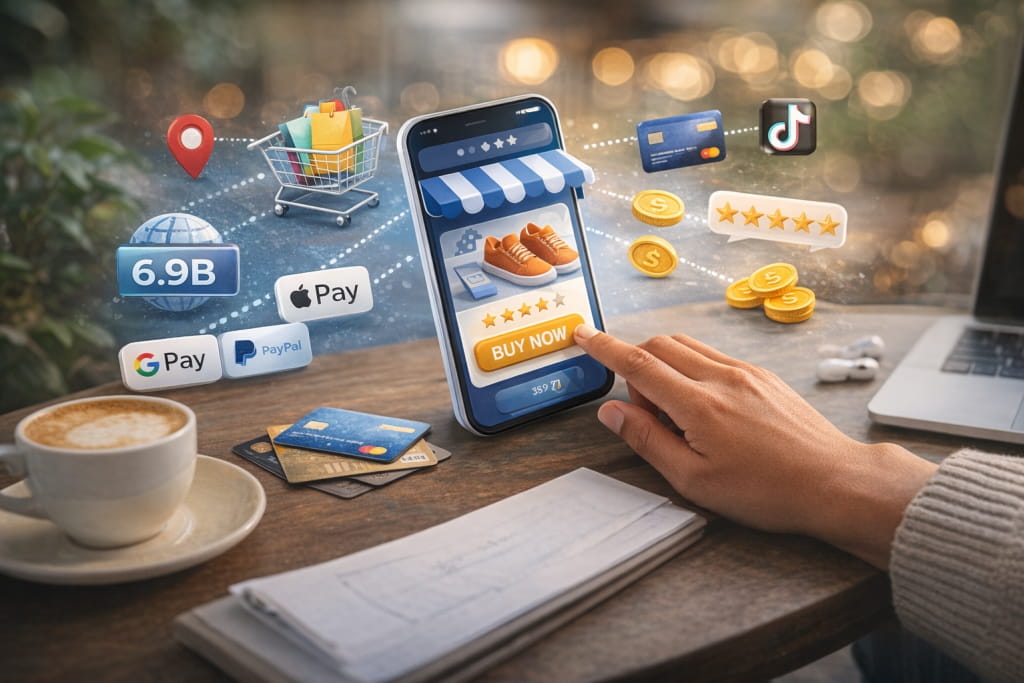
Why Online Shopping Shows No Signs of Slowing Down
Online shopping continues to grow at an unprecedented rate, and for good reason—it’s all about convenience. The ability to order products from the comfort of your home, or even your couch, has transformed the way people shop. With just a few clicks, you can browse endless options, compare prices, and have your purchase delivered to your doorstep in no time.
Fast shipping has become a game-changer for e-commerce. Many retailers now offer next-day delivery, and in some cases, same-day delivery, eliminating the need to leave home for even urgent purchases. This level of convenience has set a new standard for customer expectations.
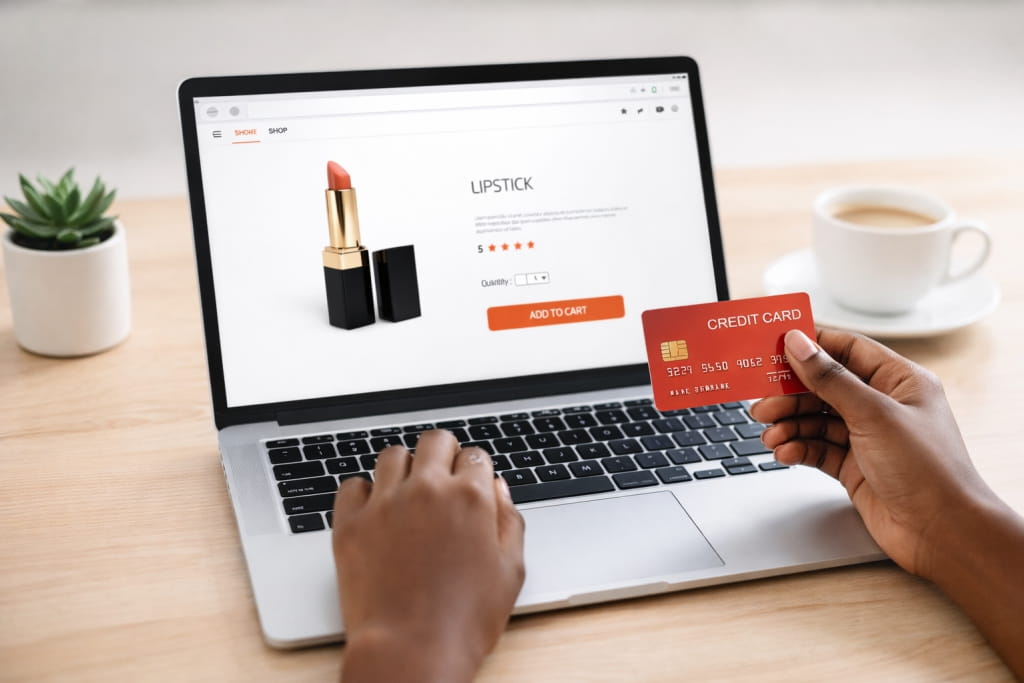
Easy checkout processes have also fuelled the growth of online shopping. Features like saved credit card information and one-click purchasing have made transactions seamless, reducing friction and encouraging impulse buys. Consumers no longer have to fill out lengthy forms or input payment details repeatedly, making shopping faster and more enjoyable.
Additionally, the variety and availability of products online surpass what traditional stores can offer. Whether it’s a niche product or an international brand, consumers can find exactly what they’re looking for without stepping foot in a store.
These factors, combined with the ability to shop 24/7, make online shopping a preferred choice for millions of people worldwide. As technology continues to advance, the convenience and accessibility of e-commerce will only continue to grow.
Mobile Commerce: The Driving Force of E-Commerce Growth
Mobile commerce, or m-commerce, has become a dominant force in the e-commerce world, driven by the fact that over 6.9 billion people globally own a smartphone. With such widespread smartphone usage, it’s no surprise that consumers are increasingly shopping directly from their devices.
Mobile-friendly websites and apps are critical for capturing this audience. Consumers now expect seamless browsing experiences, optimized layouts, and easy navigation when shopping on their phones. E-commerce giants and small businesses alike are adopting mobile-first strategies, ensuring their websites load quickly, display properly on smaller screens, and provide intuitive user experiences.
One-click payment solutions, such as Apple Pay, Google Pay, and PayPal, have further simplified mobile shopping. These features allow users to check out in seconds without entering card details, reducing friction and encouraging impulse purchases. With the ease of mobile payments, shoppers no longer feel limited to desktop devices for secure transactions.
Additionally, people are spending more time on their smartphones than ever before, with reports suggesting that the average adult spends over 4 hours per day on their phone. This presents a huge opportunity for e-commerce businesses to capture attention through mobile marketing, such as in-app ads, social media campaigns, and SMS promotions.
However, to truly capitalize on mobile commerce, businesses must prioritize:
- Responsive Design: Websites should adapt effortlessly to different screen sizes, ensuring functionality and readability.
- Fast Load Times: Mobile users are quick to abandon sites that take more than a few seconds to load, so speed optimization is crucial.
- Mobile-First Strategies: From streamlined navigation to touch-friendly layouts, prioritizing mobile design ensures you meet the needs of on-the-go shoppers.
Mobile commerce is no longer optional for e-commerce success—it’s essential. Businesses that invest in mobile optimization and cater to smartphone shoppers are positioning themselves for long-term growth in an increasingly mobile-driven world.

The Key to E-Commerce Success in a Digital World
In today’s digital age, a strong digital marketing strategy is essential for e-commerce businesses to thrive. With the right mix of tactics, businesses can increase visibility, engage their audience, and drive conversions. Let’s explore the key digital marketing strategies that e-commerce companies should leverage to capitalize on the growing digital marketplace:
Search Engine Optimization (SEO)
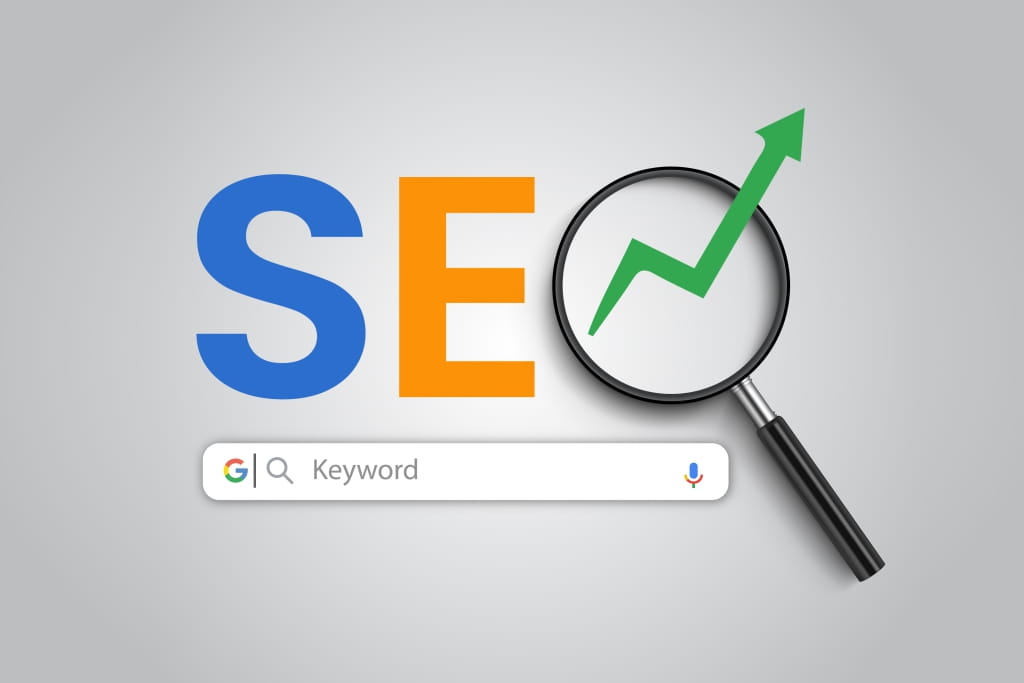
SEO is the foundation of any successful digital marketing strategy. By optimizing your website for search engines, you can improve organic traffic and increase your visibility. Key components of SEO for e-commerce include:
- Optimized Images and Alt Text: Ensure all images have appropriate alt text and are compressed for fast load speeds.
- Keywords: Use targeted keywords in product pages, titles, and meta descriptions.
- Fast Load Speeds: A slow-loading website can hurt both SEO rankings and user experience.
- Blogging: Share valuable content that aligns with your audience’s interests, such as product guides or tips.
Paid Advertising
Paid ads can drive immediate traffic to your site. Popular options include:
- Google Ads (Shopping Campaigns):Showcase your products directly in search results, targeting customers actively looking for what you offer.
- Social Media Ads: Platforms like Facebook, Instagram, and TikTok allow you to target specific audiences based on demographics and interests, driving both brand awareness and conversions.
Email Marketing
Keep your audience engaged and informed with email campaigns.
- Share exclusive offers, discounts, and personalized recommendations to encourage repeat purchases.
- Send abandoned cart reminders to recover lost sales.
- Build loyalty through value-driven content, such as product tips or upcoming promotions.
Social Media Marketing
Social media is more than just posting about your products—it’s about creating meaningful engagement with your audience.
- Engaging Content: Share entertaining, informative, or community-focused posts to keep followers interested.
- Influencer Marketing: Partner with influencers or sponsors to expand your reach and boost credibility.
- Video Content: Use videos to demonstrate products, provide tutorials, or share behind-the-scenes looks at your business.

Product Reviews and Guides
Including customer reviews on your site builds trust and influences purchase decisions. Pair this with detailed product guides or videos to help potential customers make informed choices.
Building a Strong Brand
A memorable and trusted brand is a long-term investment that pays off. Consistently deliver on your promises, align with your audience’s values, and create a brand experience that fosters loyalty. While building a strong brand takes time, it’s a critical component of sustainable success.
Digital marketing is an ongoing process that requires careful planning, execution, and adaptation to stay competitive. By combining these strategies and focusing on delivering value to your audience, e-commerce businesses can thrive in the digital world and achieve long-term growth.

Overcoming E-Commerce Challenges
Running an e-commerce business comes with its fair share of challenges, but with the right strategies in place, these obstacles can be turned into opportunities for growth. Here’s how you can address common challenges effectively:
Combat Cart Abandonment with Automated Email Sequences
Cart abandonment is a significant issue, but follow-up emails can help recover lost sales.
- Email Sequence Workflow:
- 1st Email (1 Hour After Abandonment): A reminder about the items left in their cart.
- 2nd Email (24 Hours Later): Highlight benefits, such as free shipping or limited stock.
- 3rd Email (48 Hours n): Include customer reviews or testimonials to build trust.
- 4th Email (72 Hours Later): Create urgency with phrases like “Your cart is about to expire.”
- 5th Email (5 Days Later): Offer a small discount (e.g., 10%) to encourage action.
Offer Free Shipping or Incentives to Boost Conversions
Shipping costs are one of the biggest reasons customers abandon their carts. Once customers get to checkout with their price in mind that they will be paying, only to be hit with an additional amount for shipping, this tends to deter the customer from placing the order.
- Free Shipping Options:
- Offer free shipping on all orders or for orders over a specific amount.
- Introduce free shipping promotions during holidays or peak shopping times.
- Incentives:
- Offer a free gift for orders above a certain value to increase the average order size.
Build Trust on Your Website
Customers need to feel secure when shopping online.
- Use trusted payment gateways, such as PayPal, Square, or Stripe, to ensure secure transactions.
- Add customer testimonials that link to Google Reviews or allow users to upload images/videos with their feedback to increase authenticity.
- Include trust badges, such as “Verified Secure Checkout” or “Money-Back Guarantee,” to provide extra reassurance.
Use Personalized Retargeting Strategies
If customers browse products without purchasing, personalized follow-ups can bring them back:
- Automated Emails: Send product-specific emails reminding customers of items they viewed, with recommendations for similar products.
- Retargeting Campaigns: Set up ads on Google or social media to target customers who visited your site but didn’t convert. Use engaging visuals and limited-time offers to draw them back.
Reduce Shock at Checkout
Surprise costs at checkout can deter customers.
- Be upfront about shipping fees on product pages or provide free shipping options.
- Use a progress bar at checkout to show how close customers are to qualifying for free shipping or additional perks.
By addressing these challenges proactively, you not only improve the shopping experience but also build customer trust and loyalty. Implementing these strategies will help reduce abandoned carts, increase conversions, and grow your average order value, all while creating a seamless and enjoyable shopping experience.

Preparing for the Future of E-Commerce
The e-commerce landscape is constantly evolving, and businesses that stay ahead of emerging trends will be the ones that thrive. To remain competitive, it’s crucial to adapt to new technologies, changing consumer behaviors, and industry advancements.
The future of e-commerce is exciting, but success will belong to businesses that embrace change, invest in innovation, and continuously refine their strategies. If you’re looking for expert guidance to maximize your e-commerce efforts and stay ahead of the competition, let’s talk!
By preparing now, you can position your e-commerce business for sustainable growth in the years to come.
